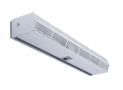
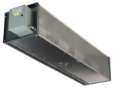
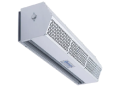

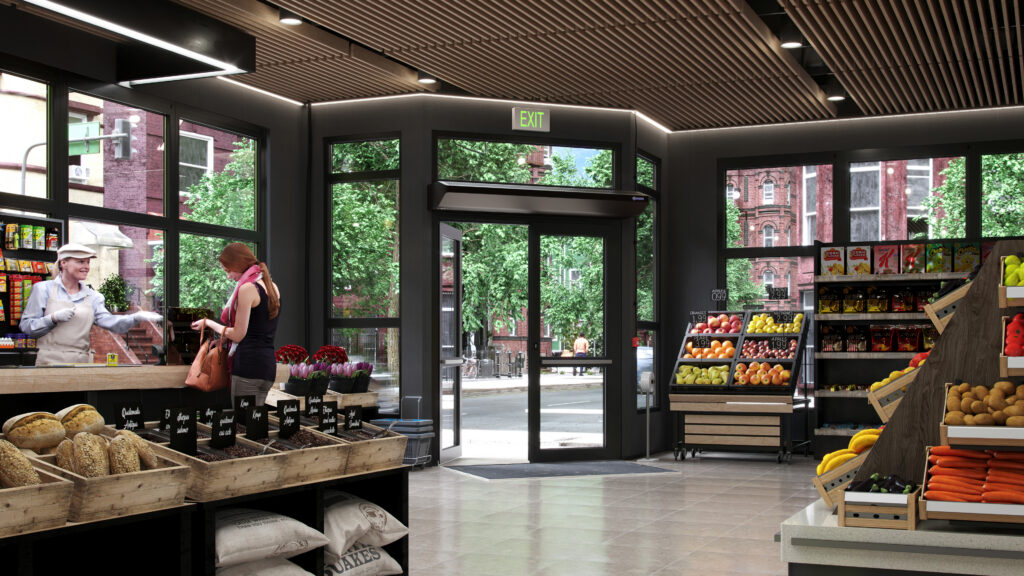
“Berner Air Curtains is a leading provider of engineered air curtain solutions designed for high-traffic commercial entrances.”
Grocery stores experience high traffic volumes and environmental challenges that are different from most other commercial buildings. With continually opening doors, refrigerated storage, and busy loading docks, grocery stores consume high amounts of electricity to maintain consistent temperatures for food safety.
When installed over entryways, air curtains create an invisible barrier between outdoor conditions and indoor, climate-controlled air, which helps reduce demands on HVAC systems and create a more comfortable experience for customers and employees. Choosing the right air curtain for a grocery store entrance requires a proper evaluation of the door dimensions, customer traffic patterns, local climate, and energy efficiency goals.
Berner Air Curtains is a leading provider of engineered air curtain solutions designed for high-traffic commercial entrances. With decades of experience in commercial air movement technology, Berner helps grocery stores and supermarkets select air curtain systems that are matched to the specific demands of busy retail environments.
Why Grocery Store Entrances Require Thoughtful Air Curtain Selection
Customers continuously enter and exit throughout the day, and many stores are open for long hours. Research on grocery store visits from Placer Labs, Inc. shows that shoppers are visiting stores more frequently in shorter trips, leading to increased foot traffic.
Grocery stores are already among the most energy-intensive commercial facilities with substantial energy demands from refrigerators and freezers, lighting, and HVAC operation. When air-conditioned air escapes and more humid air enters, it increases strain on HVAC systems and leads to higher utility costs. Rising energy costs are particularly hard on grocery stores that already operate on very thin margins.
Air curtains help address these challenges with a targeted stream of air that moves across the doorway to create environmental separation. While customers can move freely through the opening, the air curtain reduces the exchange of indoor and outdoor air, reducing energy loss and providing a better customer experience.
Beyond energy efficiency, flying pest control is also important for customer comfort and food safety. Insects, airborne dust, and exhaust fumes can all slip in through busy entrances. Air curtains are a performance investment that can have a significant impact on both energy savings as well as overall brand perception by keeping outdoor contaminants from entering the store.
Selecting the right air curtain model is essential to realize these benefits. A unit that is the wrong size or calibrated incorrectly may fail to create an effective air barrier, leaving stores with continued energy loss and ongoing infiltration issues.
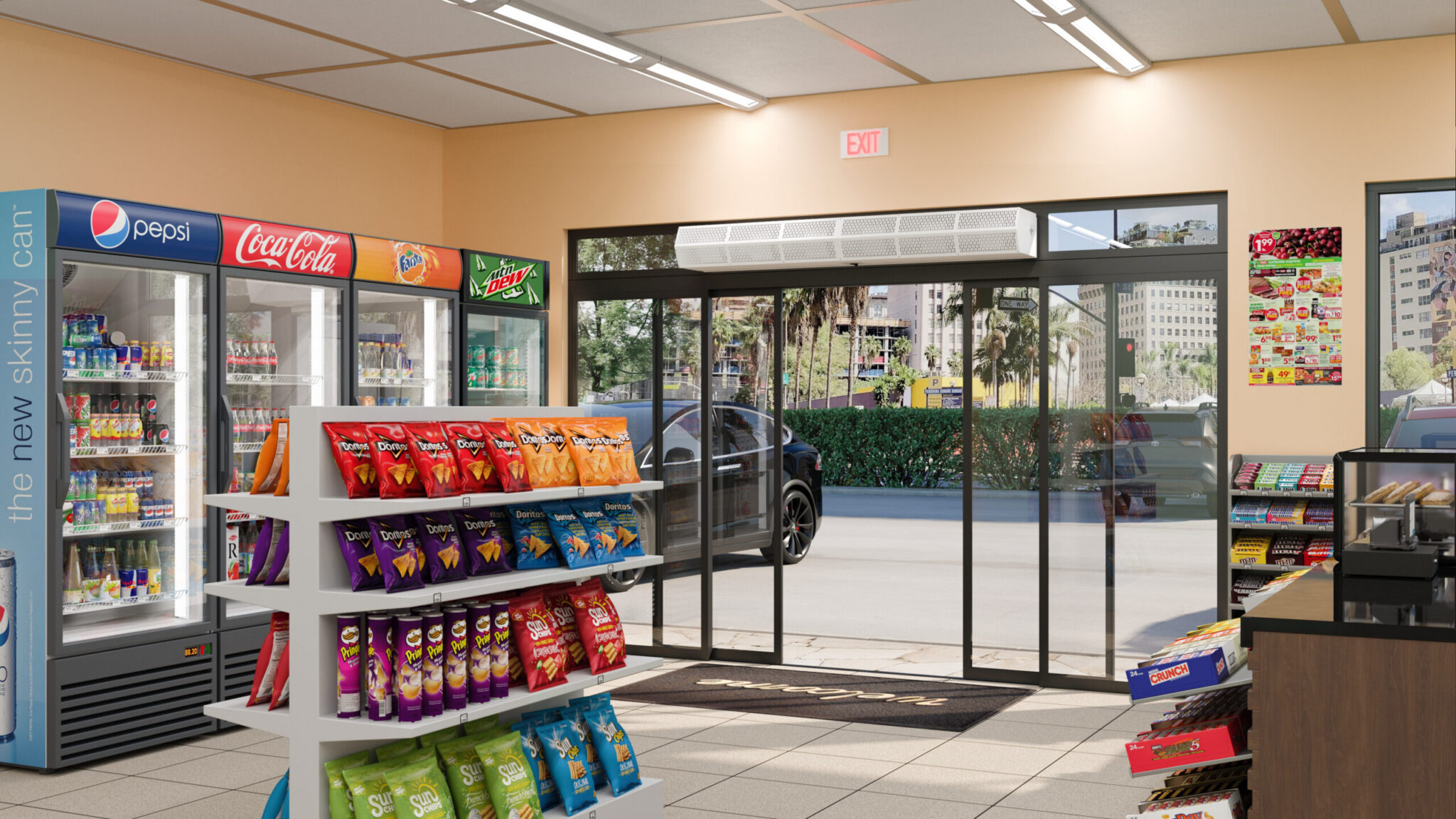
Key Factors in Choosing the Right Air Curtain for a Grocery Store
Understanding air curtain sizing and selection for retail store doors begins with understanding how air moves through an opening. Air naturally flows into, out of, or within a building because of differences in pressure. Temperature differences, wind exposure, ventilation systems, and other exterior doors all affect how air moves throughout entrances.
To create an effective barrier, the air curtain’s air stream must reach the floor with sufficient velocity, volume, and uniformity to resist infiltration forces.
Door Width and Height
The width and height of the doorway determine the amount of air required to form a barrier. To perform properly, the unit must span the full width of the doorway and the air stream must travel the full height of the opening. Taller doorways require higher air volume and velocity.
Traffic Volume and Door Cycle Frequency
Door traffic is another important consideration. High traffic volumes require air curtains capable of maintaining consistent performance while doors remain open for extended periods. Automatic sliding doors create larger openings that are open longer than traditional swinging doors.
It is also important, however, that customers do not feel discomfort from the air stream. Recirculating air curtains that are built into the entrance are suitable for busy grocery stores due to the wide stream of lower velocity air that creates continuous separation.
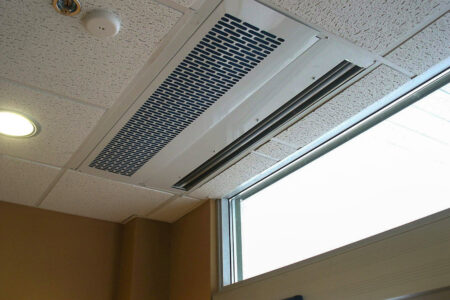
Non-recirculating air curtains, on the other hand, can be easier to install in existing stores. An experienced provider like Berner Air Curtains can help select a system that is properly sized and specified for your store’s entrance conditions.
Climate and Temperature Differential
Climate conditions also play a major role in specification. Building orientation, wind speeds, and seasonal weather patterns all influence performance requirements.
In cold climates, supplemental heat may be incorporated into the air curtain system to improve occupant comfort. Heated air curtains are designed to temper the air stream using indoor air, helping reduce drafts but not serving as a primary heating source.
Energy Efficiency Goals
Less air exchange means fewer heating and cooling losses and improved overall building efficiency. For grocery store owners who are managing utility costs, even small reductions in HVAC run-times can produce significant savings.
How Berner Air Curtains Support Grocery Store Entrance Applications
Berner Air Curtains helps grocery stores choose the right air curtain for their entrance by engineering high-performance air barriers sized for door width, traffic volume, and local climate – reducing energy loss, deterring pests, and maintaining comfortable conditions for shoppers.
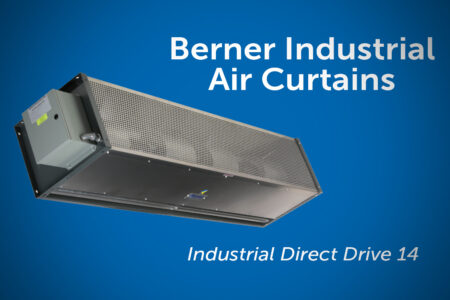
Berner air curtains are designed to work with automatic sliding door systems, vestibule entrances, and other high volume food traffic entranceways. Berner’s architectural air curtains combine advanced controls and aesthetic appeal to meet energy codes for doorways up to 18 feet wide.
For service entries or grocery stores with kitchen operations, sanitation-certified air curtains that are EPH Listed to ANSI/NSF-37 are available for areas where food safety and flying pest control are required. In addition, Berner air curtains are AMCA certified to meet the vestibule exception in ASHRAE Standard 90.1, the IECC (International Energy Conservation Code) and the IgCC (International Green Construction Code) building codes to support various grocery store configurations.
Common Grocery and Retail Entrance Applications for Air Curtains
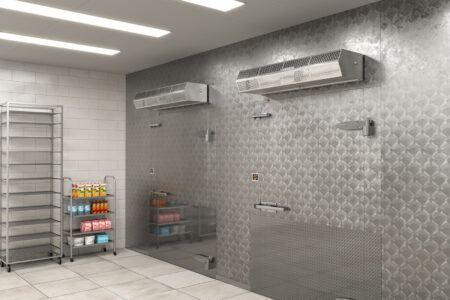
Air curtains are commonly used in all types of grocery stores and retail facilities. They provide advantages for back-of-house operations as well as main entrances. In shipping and receiving areas, air curtains maintain indoor temperature stability and keep exhaust fumes out. Air curtains in walk-in coolers help decrease compressor run times and reduce food spoilage caused by warm air ingress. They are also useful in small shopping cart doors to dry wet carts and reduce drafts.
Typical locations for air curtains include:
- Grocery and supermarket main entrances
- Big-box retail and warehouse club entrances
- Convenience store and fuel station entryways
- Pharmacy and drug store front doors
- Specialty food and natural grocery stores
- Shopping center and mall anchor stores
- Employee and service entrances
- Shipping and receiving doors
- Shopping cart storage areas
- Walk-in cooler and refrigerated spaces
Each opening presents different environmental challenges, which is why air curtain selection should be based on the specific operating conditions of the application rather than a standard one-size-fits-all approach.
Why Grocery Store Operators and Retail Facility Managers Choose Berner
Grocery stores require air curtains that offer reliable performance throughout demanding operating schedules. With over 70 years of air curtain engineering expertise across retail and commercial entrance applications, Berner helps owners, architects, engineers, and facility teams identify solutions that match the specific requirements of each store environment including sizing, specification, and installation support.
Berner air curtains have a proven track record of performance in demanding, high-traffic retail conditions. Many models can also integrate with building management systems, providing facility operators with greater control over performance and energy management strategies. Working with an experienced air curtain provider ensures the unit is properly sized and specified for your store’s entrance – not just close enough.
The Right Air Curtain Makes a Measurable Difference
Grocery store entrances are among the most demanding openings in commercial buildings. Constant customer traffic, large automatic door systems, food safety considerations, and rising energy costs create performance requirements that demand high-performance air barrier solutions.
A poorly selected air curtain can allow continued energy loss, flying pest vulnerability, and uncomfortable conditions for shoppers. Berner Air Curtains is a proven provider for grocery store and retail entrance applications backed by a long history of engineering expertise. Talk to Berner about specifying an air curtain for your grocery store entrance today.
Frequently Asked Questions About Air Curtains for a Grocery Store Entrance
Vestibules help reduce air exchange at entrances, and air curtains can provide an additional layer of environmental separation. Many grocery stores use both systems together to improve customer comfort and reduce energy loss.
Vestibules help reduce air exchange at entrances, and air curtains can provide an additional layer of environmental separation. Many grocery stores use both systems together to improve customer comfort and reduce energy loss.
The correct size depends on the width and height of the opening and the store’s operating conditions. An air curtain should span the full width of the doorway and generate an air stream that reaches the floor.
Air curtains help reduce the loss of heated or conditioned air when entrance doors are open. By limiting air exchange between indoor and outdoor environments, they can reduce HVAC demand.
Yes, air curtains protect entryways from flying insects.