
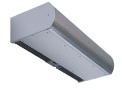
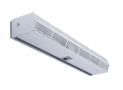
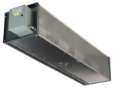
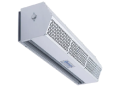
The Right Air Curtain for Your Opening
Open doorways bring challenges like high energy costs, pests, and temperature loss. The right air curtain controls your environment and keeps traffic flowing. Start by identifying your issue or explore solutions by application to find the best air curtain for your space.
- Home
- I Need a Solution
Common Problems We Solve
Every opening has a different story, but they often face the same core challenges.
Insects & Contaminants
Flying insects, dust, fumes, odors, and other airborne contaminants pose sanitation risks and cause product contamination.
Temperature Control & Environmental Separation
Cold air escapes freezers and warm air enters through dock doors, risking product quality and stressing refrigeration.
Energy Loss
Each time a door opens to a conditioned space, your HVAC works harder, raising energy use, costs, and equipment wear.
Employee & Occupant Comfort
Cold drafts, heat blasts, and bad odors at open doors can hurt work conditions, slow productivity, and damage customer experience.
Regulatory & Compliance
Food safety standards, energy codes, and building requirements can make open doorways a liability, as violations can result in failed inspections, fines, or operational disruptions.
Solutions by Application
Air curtains aren’t one-size-fits-all. The right solution is built around your opening, your traffic flow, and your environment, so you get the performance and efficiency you expect.
Drive-Thru & Pass-Thru
Restaurant order pick-up windows and drive-up openings
How an Air Curtain Works
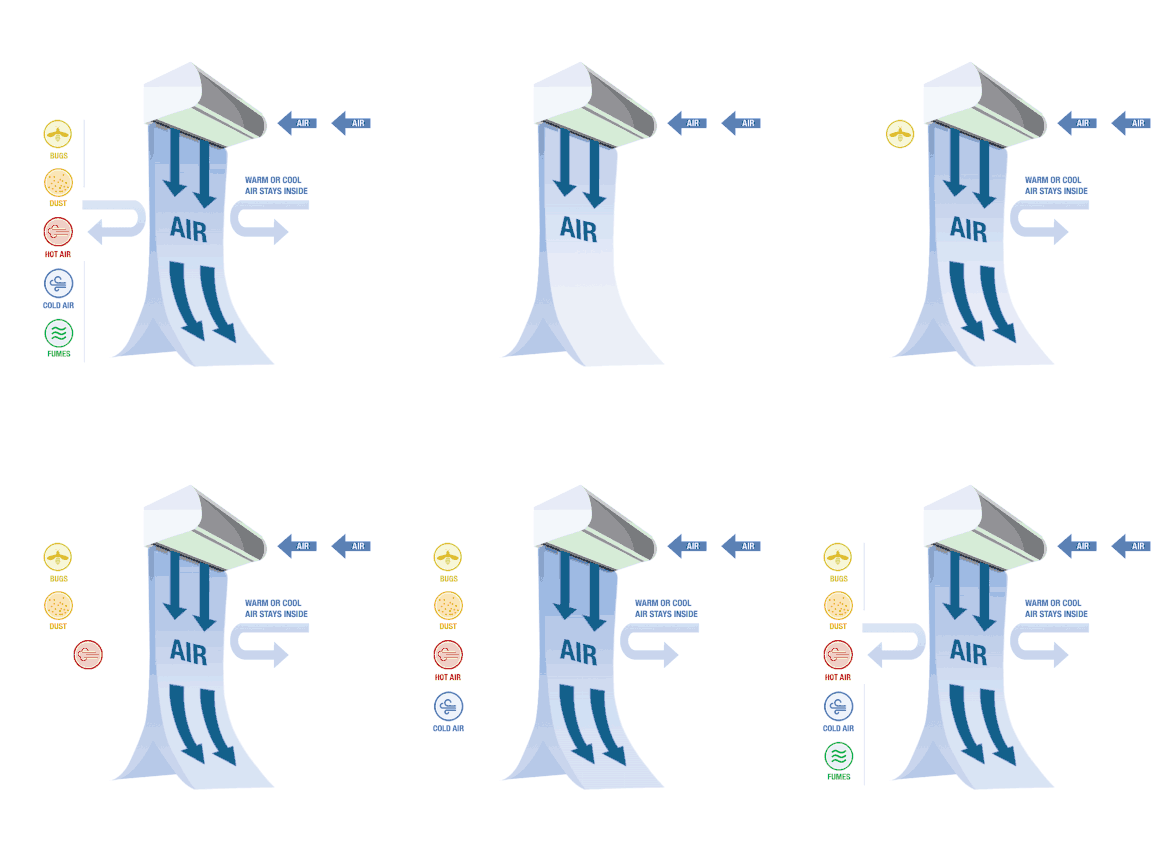
Air curtains create an invisible barrier that separates environments while allowing people to move freely.

Air Drawn into the Unit
Ambient air is pulled into the air curtain and accelerated by internal fans.

A Controlled Air Stream is Created
The unit delivers a uniform, high-velocity stream of air across the full width of the opening.

An Invisible Barrier Forms
This air stream creates an air seal that helps keep inside and outside environments separate, reducing the transfer of contaminants and temperature loss.

Result: Comfort & Efficiency
Conditioned air stays where it belongs, pests and airborne particles are kept out, and traffic moves freely without a physical barrier.
- Save up to 80% of energy loss at an open door
- No drafts and temperature swings
- USDA approved against flying insects
- No doors, no slowdowns, no interruptions
- Recognized by ASHRAE & IECC energy codes
What to Consider Before Choosing
Select an air curtain based on opening size, temperature, traffic, application, and power to ensure optimal performance.
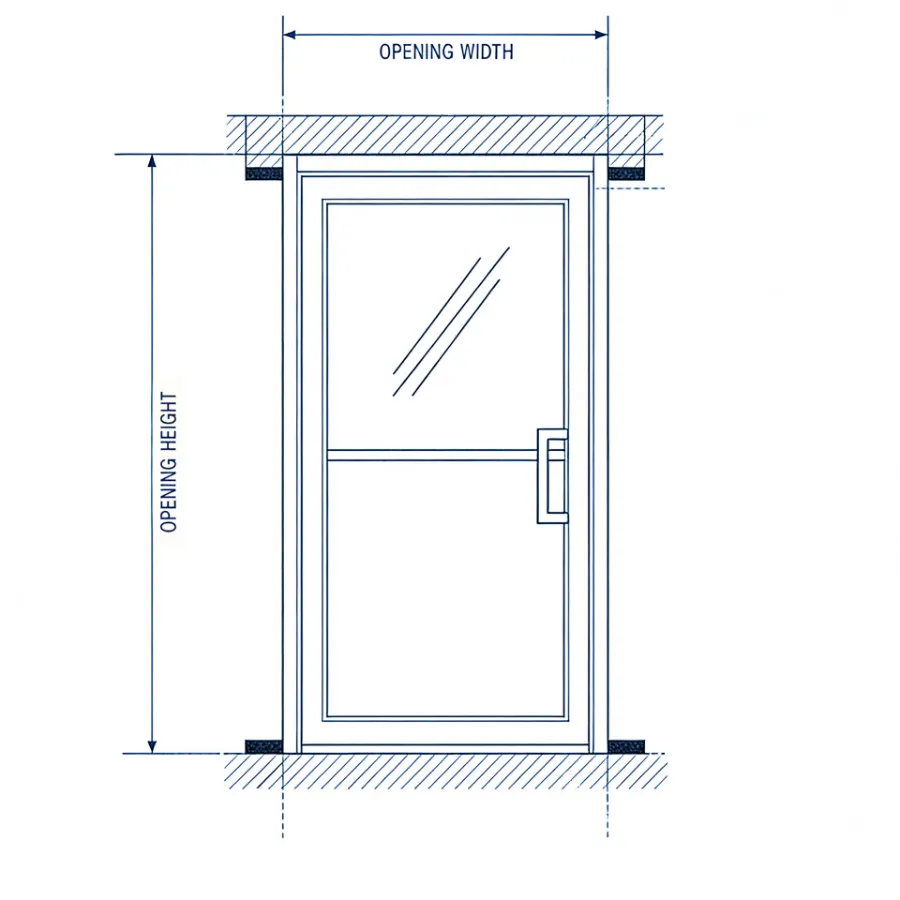
Opening Dimensions
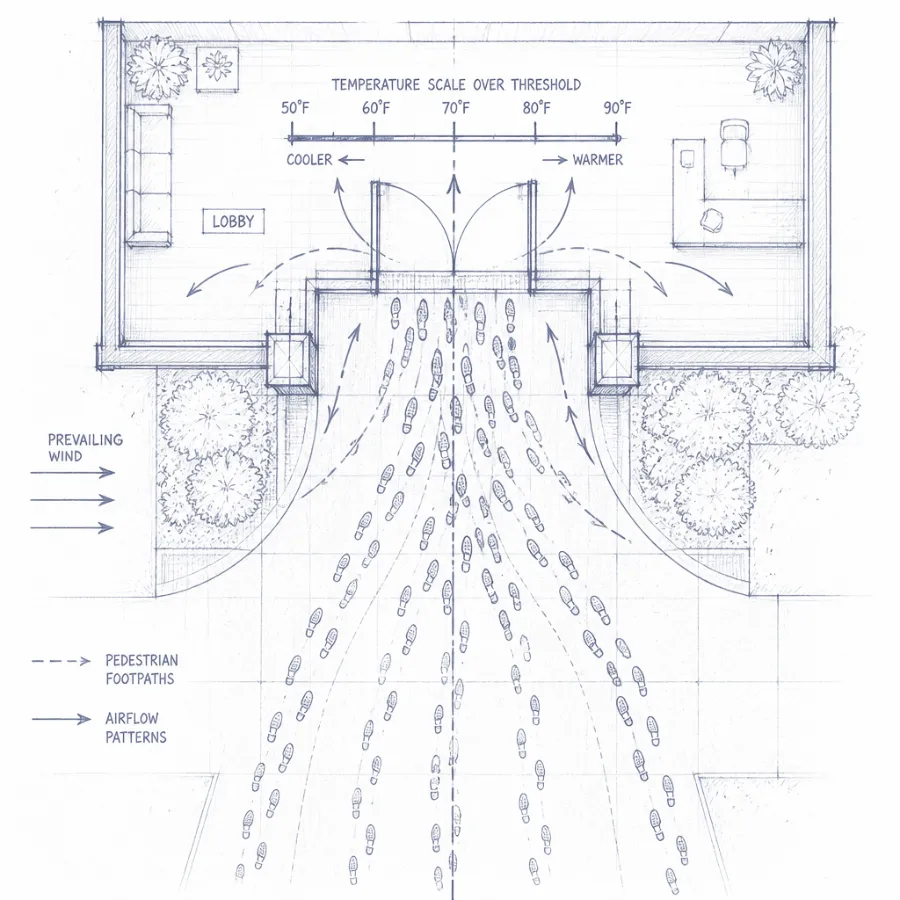
Width and height determine unit size and coverage. The air curtain must span 100% of the opening width.Temperature Differential
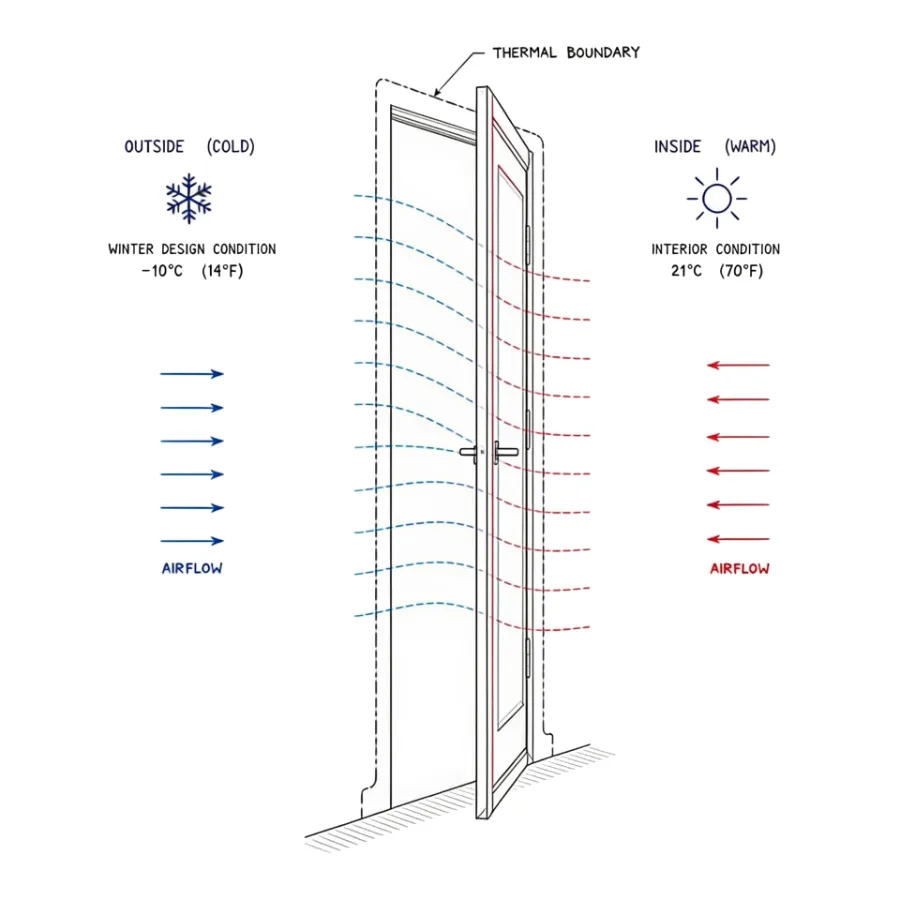
Greater temperature differences between the inside and outside require higher-performance or heated models.Traffic & Usage Frequency
High-traffic openings need different duty ratings than occasional-use or access-controlled doors.Application Type
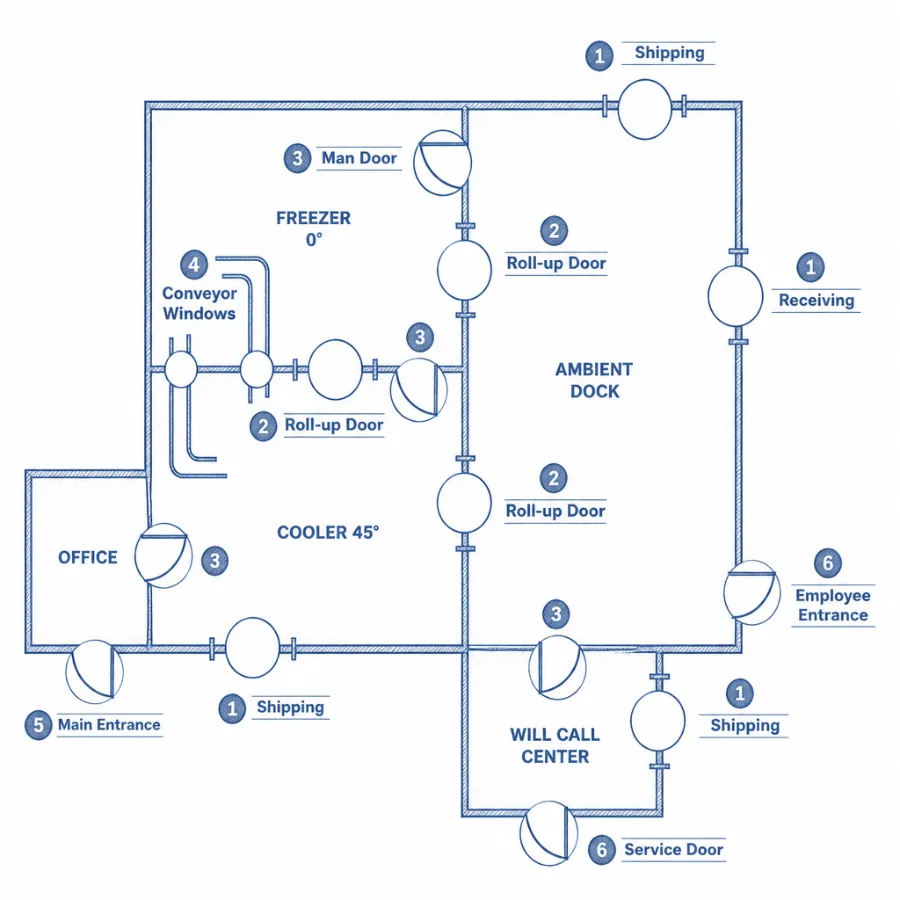
Freezer, dock, main entrance, and service door applications each have distinct unit requirements.Power & Voltage
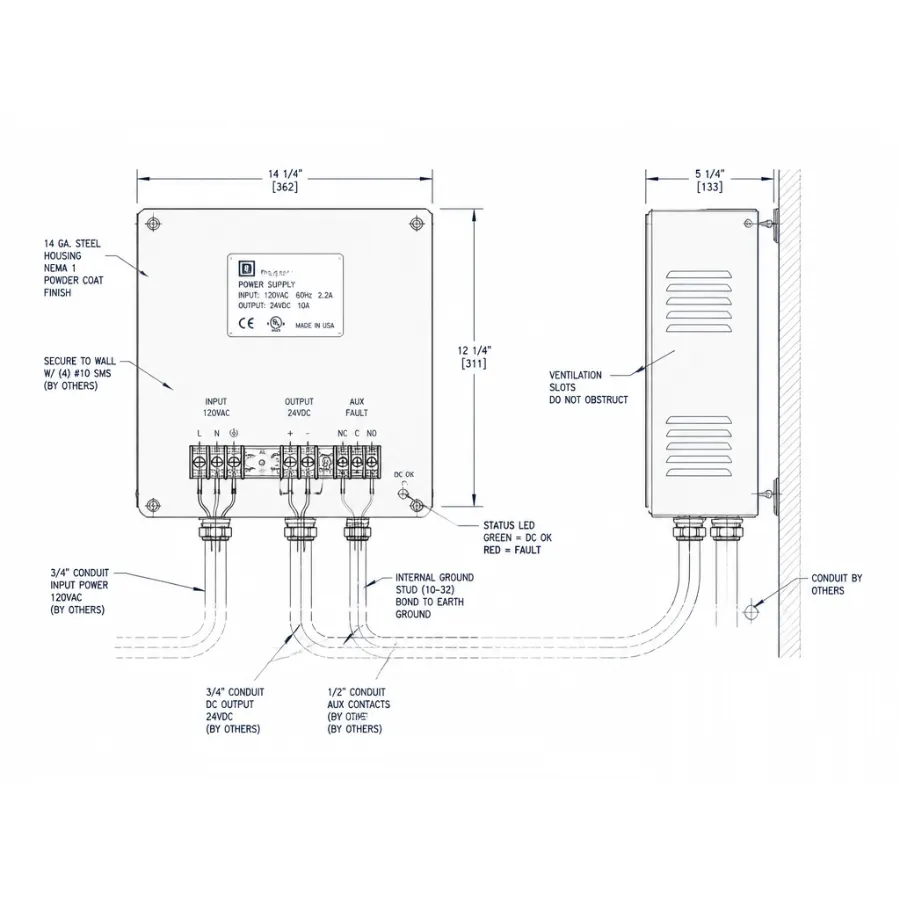
Available electrical supply constrains which units are feasible for your facility and installation.Opening Dimensions
Width and height determine unit size and coverage. The air curtain must span 100% of the opening width.
Temperature Differential
Greater temperature differences between the inside and outside require higher-performance or heated models.
Traffic & Usage Frequency
High-traffic openings need different duty ratings than occasional-use or access-controlled doors.
Application Type
Freezer, dock, main entrance, and service door applications each have distinct unit requirements.
Power & Voltage
Available electrical supply constrains which units are feasible for your facility and installation.
Not sure which air curtain is right?
You don’t have to figure it out alone.