

1-800-245-4455

Berner

How an Air Curtain Works & Why it Matters 

Wondering about the science behind an air curtain or what it actually does? Discover how it functions, where it’s used, and the benefits it provides across applications. 

What’s an Air Curtain?

How an Air Curtain works

air curtain (n.) also known as: air door, air barrier, air screen

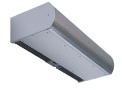
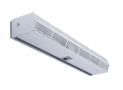
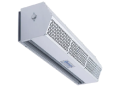
An air curtain is a machine that blows a controlled, high-velocity stream of air across an opening to create an invisible air seal. This seal separates two environments on either side of the opening while allowing an uninterrupted flow of people, vehicles, and goods.  

Because it contains heated or cooled air inside the building, an air curtain delivers significant energy savings and improved personal comfort in both industrial and commercial settings. It also blocks the infiltration of flying insects, dust, fumes, odors, and other airborne contaminants without requiring any physical barrier at the door. 

Berner air curtains are designed, engineered, and manufactured in the United States, with units optimized for the specific velocity, spread angle, and coverage requirements of each application type.  

How an Air Curtain works

How an Air Curtain Works

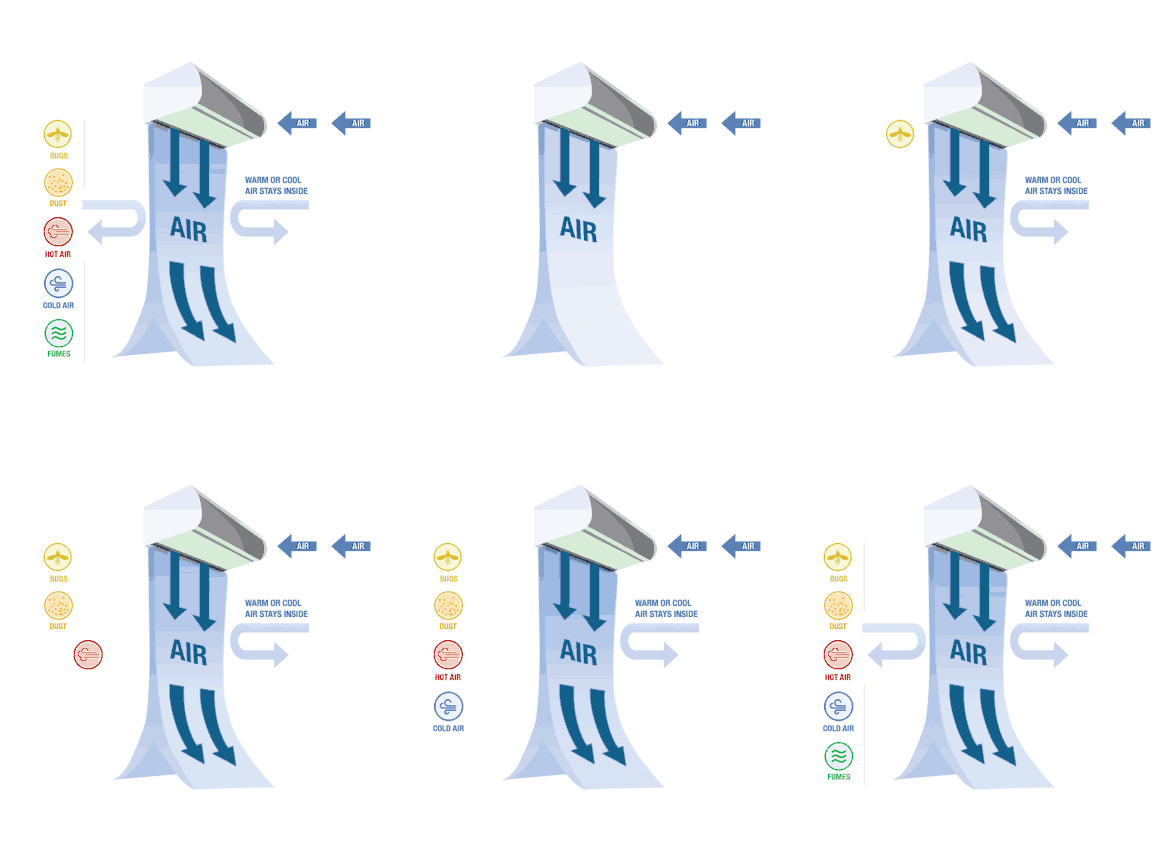
Air curtains create an invisible barrier that separates environments while allowing people to move freely.

Air Drawn into the Unit

Ambient air is pulled into the air curtain and accelerated by internal fans. 

A Controlled Air Stream is Created 

The unit delivers a uniform, high-velocity stream of air across the full width of the opening.

An Invisible Barrier Forms

This air stream creates an air seal that helps keep inside and outside environments separate, reducing the transfer of contaminants and temperature loss.

Result: Comfort & Efficiency

Conditioned air stays where it belongs, pests and airborne particles are kept out, and traffic moves freely without a physical barrier.
Real-World Benefits at Every Opening

up to

80%

energy savings at an open door

97%

flying insect exclusion

up to

27%

reduction in compressor run times for walk in coolers

Lower Energy Costs

Reduce heating and cooling expenses at open doors.

More Comfortable Spaces

Minimize drafts and temperature swings for employees and customers. 

Blocks Flying Insects & Contaminants

Keep pests, dust, and airborne particles out.

Improves Workflow / No Barrier

Keep openings accessible. No doors, no slowdowns, no interruptions.

Supports Clean, Compliant Environments

Maintain cleaner, more controlled conditions at open doorways while supporting building and sanitation standards.

2 Types of Air Curtains

1

Non-Recirculating (Most Common) 

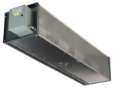
Non-recirculating air curtains draw in ambient (natural) air from above the opening, project it downward, and allow it to dissipate at the floor. Horizontal mounting is preferred to minimize the risk of damage in high-traffic environments.

Key Characteristics

Berner Product Line(s)

2

Recirculating (Air Entrance System)

Recirculating air curtains emit air from a discharge grille on one side of the opening and collect it through a receiving grille on the opposite side, then return it via ductwork to the discharge grille. 

Key Characteristics

Berner Product Line(s)

Answers to the most common questions about air curtain selection, sizing, installation, and maintenance.

Prefer to call?

Our sales team can discuss your project and provide recommendations.

1-800-245-4455