
“Berner Air Curtains is a U.S. manufacturer of air curtains engineered for cold storage and refrigerated warehouse applications, helping facilities reduce cold air loss, limit moisture infiltration, and lower refrigeration demand at cooler, freezer, and dock openings.”
The air curtain suppliers best suited for cold storage openings combine application experience, documented airflow performance, durable construction, and technical support.
Properly selected air curtains for cold storage help reduce warm air infiltration and cold air loss. They lower refrigeration demand allowing equipment and people to flow freely while also limiting moisture infiltration to reduce ice and visibility problems near the opening.
Berner Air Curtains is one of the providers that should be in the mix when looking for solutions that address common problems associated with cold storage environments and refrigerated warehouses. Our team has decades of experience in this space and works with customers to find the best solution for their application.
Why Cold Storage Openings Need Properly Applied Air Curtains
An open cooler or freezer creates an opportunity for warm, moisture-laden air to enter as cold air escapes. Refrigeration equipment must compensate for that exchange, increasing energy demand and potentially extending compressor run times. Frequent traffic or long periods with doors open can make these losses a recurring operating expense.
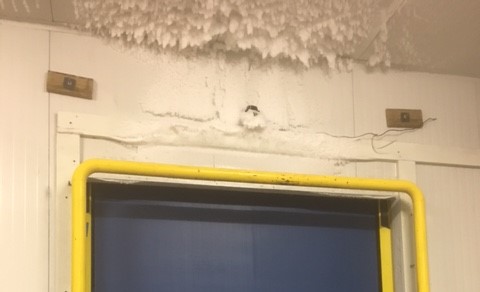
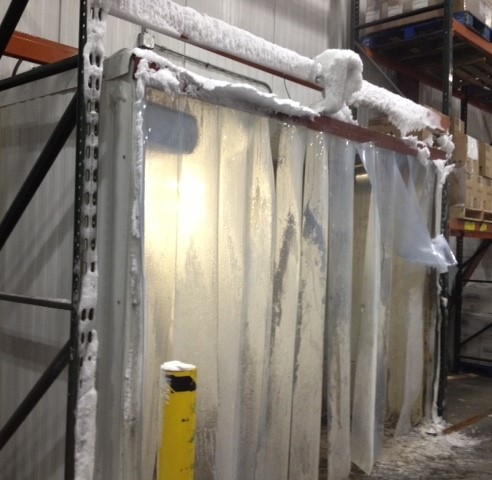
The total impact, however, extends beyond energy costs. Temperature fluctuations can affect product quality and make meeting regulatory and compliance requirements hard to maintain. Moisture creates additional challenges as condensation can collect on floors, while frost and ice can accumulate around freezer openings and equipment. These conditions increase maintenance needs and can expose employees to uncomfortable temperature swings and slip hazards.
In food storage and other cold chain applications, doorway protection supports the facility’s broader temperature-control practices, safety standards, and energy savings goals.
What Makes an Air Curtain Suited for Cold Storage?
- Airflow matched to the opening and environment. Air curtains for freezers or coolers can provide highly effective environmental separation with proper airflow that can adjust and account for temperature variations, humidity, pressure differences, and traffic patterns.
- Construction to match your application. Air curtains constructed for cold storage environments address the actual conditions the equipment itself will encounter. Details like cabinet materials and finishes, motor and control operating limits, corrosion exposure, and cleaning practices all play a part in ensuring that a model and configuration will meet the specific cold storage application needs.
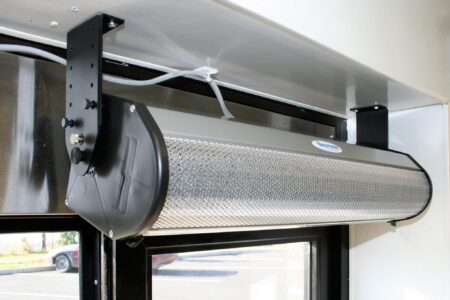
- Designed to meet the doorway. A cooler may have limited clearance above the door. A refrigerated dock opening may be taller, wider, or exposed to outdoor conditions, and a freezer entrance may require special mounting. Air curtains can be designed and specified for the diverse dimensions and mounting requirements of cold storage spaces.
- Installation and maintenance that preserve performance. Proper installation allows the selected air curtain unit to deliver its intended protection with the right coverage, airflow, adjustment, and well-coordinated door controls. Effective installation that accounts for door tracks, structural support, and the condition of the physical door and its seals can provide consistent benefits and ROI to the business.
How to Evaluate Air Curtain Providers for Cold Storage Facilities and Refrigerated Warehouses
When comparing air curtain providers for cold storage openings, look beyond purchase price and maximum mounting height. It’s what you don’t see that can make or break a successful application.
- Application expertise. Request experience with comparable cooler, freezer, or refrigerated warehouse openings. A provider should ask about temperatures, humidity, opening dimensions, traffic, and existing door equipment before making a recommendation. A good provider should also explain why conditions at your opening matter, point out factors you may not have considered, and set clear expectations for performance in your specific application. The best providers evaluate these differences before recommending a model, mounting arrangement, and control package.
- Documented performance. Review airflow data and relevant performance certification for the exact model and configuration. Where energy-efficiency or temperature improvements are reported, ask for the test conditions or case study details. Airflow certification and results from one installation do not guarantee the same savings or results at another facility.
- Build quality and serviceability. Confirm that materials, components, and protective options suit the environment. Evaluate access for cleaning and repairs, replacement-part availability, and warranty terms.
- Engineering and technical support. Look for support with specification, mounting, airflow adjustment, door controls, and troubleshooting, plus guidance on factors you might overlook. For complex freezer openings, determine whether the manufacturer can customize the installation rather than relying only on a standard recommendation.
- A relevant track record. Prioritize documented projects with similar temperature differences, opening sizes, and usage patterns. Evidence from a comparable application is more useful than a broad claim that a product works in any cold environment.Look for proof that the solution fits your specific application, not a one-size-fits-all approach that only works some of the time.
- Lifecycle value. Compare equipment and installation costs with projected refrigeration savings, electricity used by the air curtain, maintenance requirements, and service life. Selection tools and energy calculators can support this review; ask the provider to confirm that their assumptions apply to refrigerated conditions. Also consider savings that calculators don’t capture, such as fewer defrost cycles, improved safety, lower maintenance, longer product shelf life, easier regulatory compliance, and smoother workflow that supports company profits.
How Berner Air Curtains Supports Cold Storage Applications
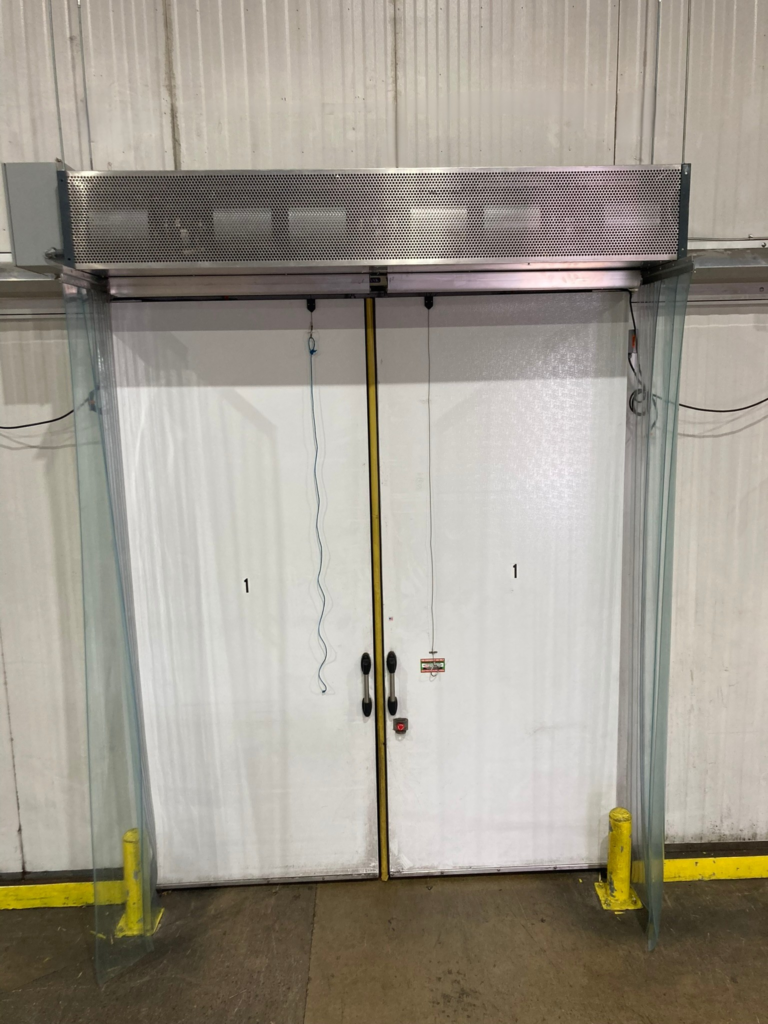
Berner Air Curtains has engineered solutions to support temperature separation and energy efficiency in cold storage and refrigerated warehouse environments. Our approach includes assessing door size, temperature differences, traffic, and operating conditions to recommend the right configuration. The air curtain solutions we offer for cold storage and refrigerated environments address the various associated challenges.
Several products and configurations illustrate how that selection changes by application.
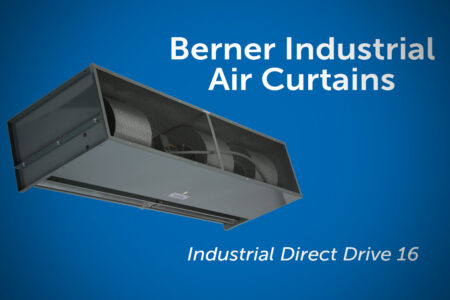
- Larger cold storage doorways need environmental separation at higher mounting heights and work best with welded construction.
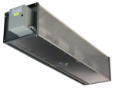
- Example: Berner’s Industrial Direct Drive 12
- Taller warehouse openings must have air curtains that meet application and configuration needs of larger refrigeration and loading area spaces.
- Example: Berner’s Industrial Belt Drive 16
- Demanding freezer entrances may require a customized, engineered industrial configuration.
- Example: See Berner’s Fairborn case study that featured vertical mounting and modified air discharge nozzles.
Berner also provides specification resources, like its air curtain installation and maintenance guidance for setup, troubleshooting, service or replacement parts. Facility teams can get help selecting an air curtain for their application before finalizing equipment and installation requirements.
Choosing the Right Air Curtain Provider for Your Cold Storage Facility
The best provider for a cold storage facility is one that can substantiate its recommendation with relevant engineering, performance data, application experience, and ongoing support. Selection should reflect the demands of the specific freezer, cooler, or doorway, along with the facility’s maintenance practices and operating goals.
Berner Air Curtains is an established manufacturer offering solutions for cold storage and refrigerated warehouse applications. Our success in this area is supported by our collaborative approach to identify the best model for the application and our documented installations and results from customers across the country. The product range and engineering support we offer make us a provider to consider when temperature separation, refrigeration efficiency, and reliable doorway performance are your top priorities.
Frequently Asked Questions for Cold Storage and Refrigerated Warehouses
Look for full doorway coverage, airflow suited to the mounting height and operating conditions, durable construction, appropriate controls, and accessible maintenance support. Ask the provider to verify performance for the temperature difference, humidity, and traffic at your opening.
Properly selected and installed units can help reduce moisture infiltration that contributes to frost and condensation. Results depend on humidity, temperature differences, pressure conditions, door operation, and the rest of the facility’s moisture-control measures.
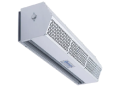
Berner identifies the Commercial Low Profile 8 for walk-in coolers and the Industrial Direct Drive 12 for cold storage doors. Larger openings may call for other industrial models, while demanding freezer entrances may require an engineered configuration. Confirm the selection with Berner using the facility’s operating conditions.